


Short answer: On 28 October 2026 Meta published a major upgrade to Andromeda, the system that decides which ads are even considered for each person on Facebook and Instagram. It now scores every eligible ad, more than one billion ads per second, and it is far better at telling a genuinely new ad idea from a copy of an old one. There is no new button in Ads Manager. What changes is who wins: advertisers with several clearly different creative concepts get cheaper reach, and advertisers who upload ten versions of the same ad and keep stacking interest targeting will slowly pay more for less. This guide explains the update with Meta’s own numbers, what we see in our client accounts at Marksol, and what Pakistani brands and agencies should change now.
What is Meta Andromeda?
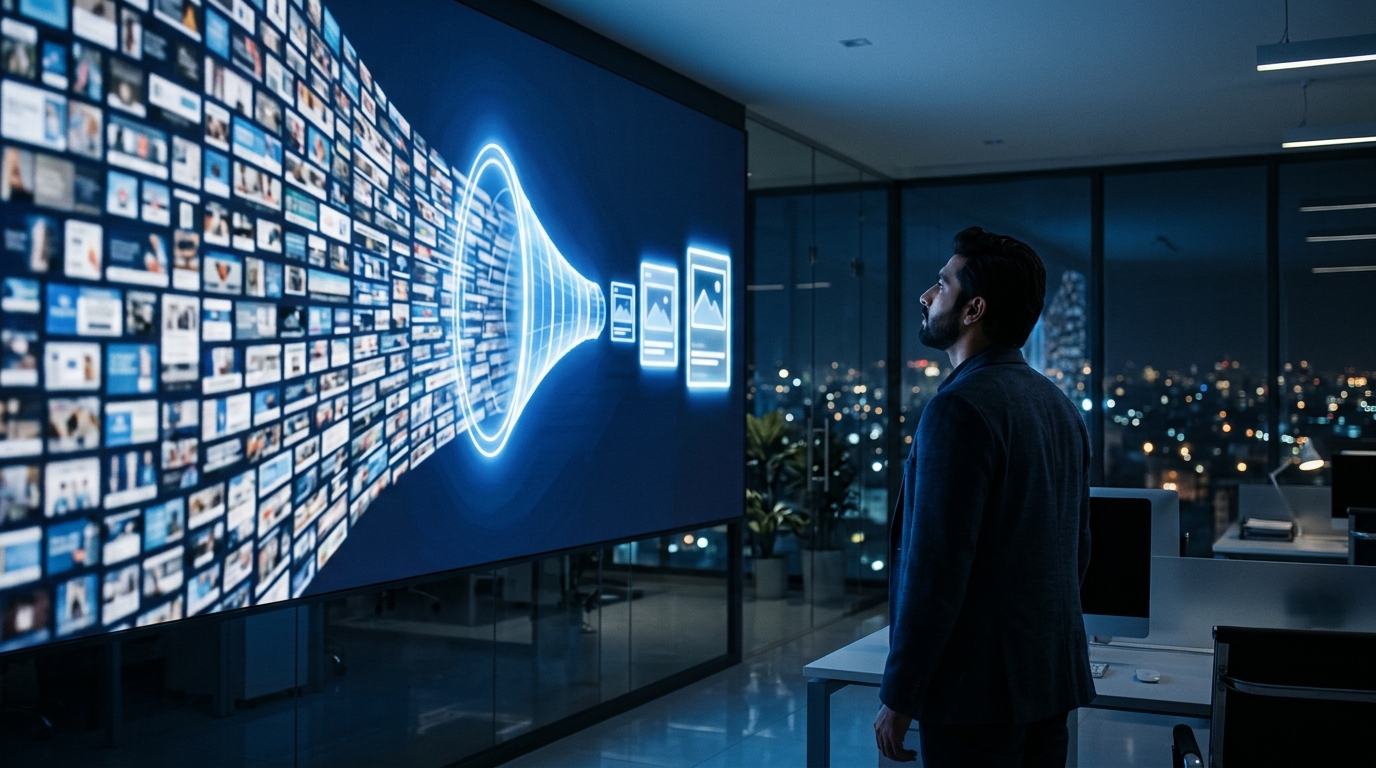
Every time someone opens Facebook or Instagram, Meta has to choose a few ads out of millions that are eligible to be shown. That happens in two steps:
- Retrieval: a huge pool of eligible ads is narrowed down to a shortlist. This step is Andromeda.
- Ranking: the shortlist is scored in detail (predicted clicks, purchases, value), and the winning ad is shown.
Meta first launched Andromeda in December 2024. At the time Meta said it allowed a 10,000x increase in the complexity of the models used for retrieval and improved ad quality by 8%. In simple words: before Andromeda, many ads never got a fair chance because the first filter was too crude. After Andromeda, the first filter started to understand ads and people much better.
What changed in the October 2026 update
Meta’s engineering team described the new version in a post titled “Meta Andromeda: Powering the Next Generation of Ads Retrieval” (28 October 2026). The key facts:
- It scores every eligible ad. The production system now scores every eligible ad and picks the top candidates at over one billion ads per second, which Meta says is about a 100x lift over the 2024 system.
- Specialist “experts” for different interests. The old design used one model of the user. The new one uses a mixture of experts: several specialised user models, with a gating network that routes each ad to the experts most relevant to it.
- Close to ranking-level quality at a fraction of the cost. Meta says the new model uses about 300x fewer inference-time FLOPs than the 2024 retrieval model while approaching ranking-level performance.
- Everything runs on one GPU server. Matching, scoring and top-K selection now run on a single server, which Meta says cuts network traffic by about 100x.
- Measured result: since 2025, Meta reports a 2.4% increase in conversions on Facebook from Andromeda, without a matching rise in cost.
Why Meta did it: Meta says generative AI tools have helped advertisers create hundreds of millions of new ads. With that flood of creative, the first filter had become the bottleneck. Andromeda had to get faster and smarter so good ads are not lost in the crowd.
The numbers in context: ads are getting more expensive

Meta’s Q3 2026 results, published in October 2026, show why this matters for every advertiser’s budget:
| Metric (Q3 2026) | Figure |
|---|---|
| Advertising revenue | $63.06 billion, up 26% year on year |
| Ad impressions | Up 10% year on year |
| Average price per ad | Up 14% year on year |
| Daily active people across Meta apps | 3.64 billion (September 2026) |
Read that carefully: the average price per ad went up 14% while impressions grew only 10%. More advertisers, more AI-made ads and more competition for the same attention. Andromeda does not make ads cheaper for everyone. It makes them cheaper for the ads the system can match to the right person, and that depends mostly on the creative.
What did not change
- No new setting, report or campaign type. You cannot switch Andromeda on or off. It works inside normal delivery.
- Targeting rules still apply. Locations, ages and exclusions still work. But in practice, broad audiences give the system more room to match each creative to the people it fits.
- Tracking still decides what the system learns. If your pixel and purchase events are broken, Andromeda optimises for the wrong signal. This is still the number one problem we find in Pakistani ad accounts.
- A weak offer is still a weak offer. Better retrieval cannot sell a product people do not want at that price.
The big shift: your creative is now your targeting
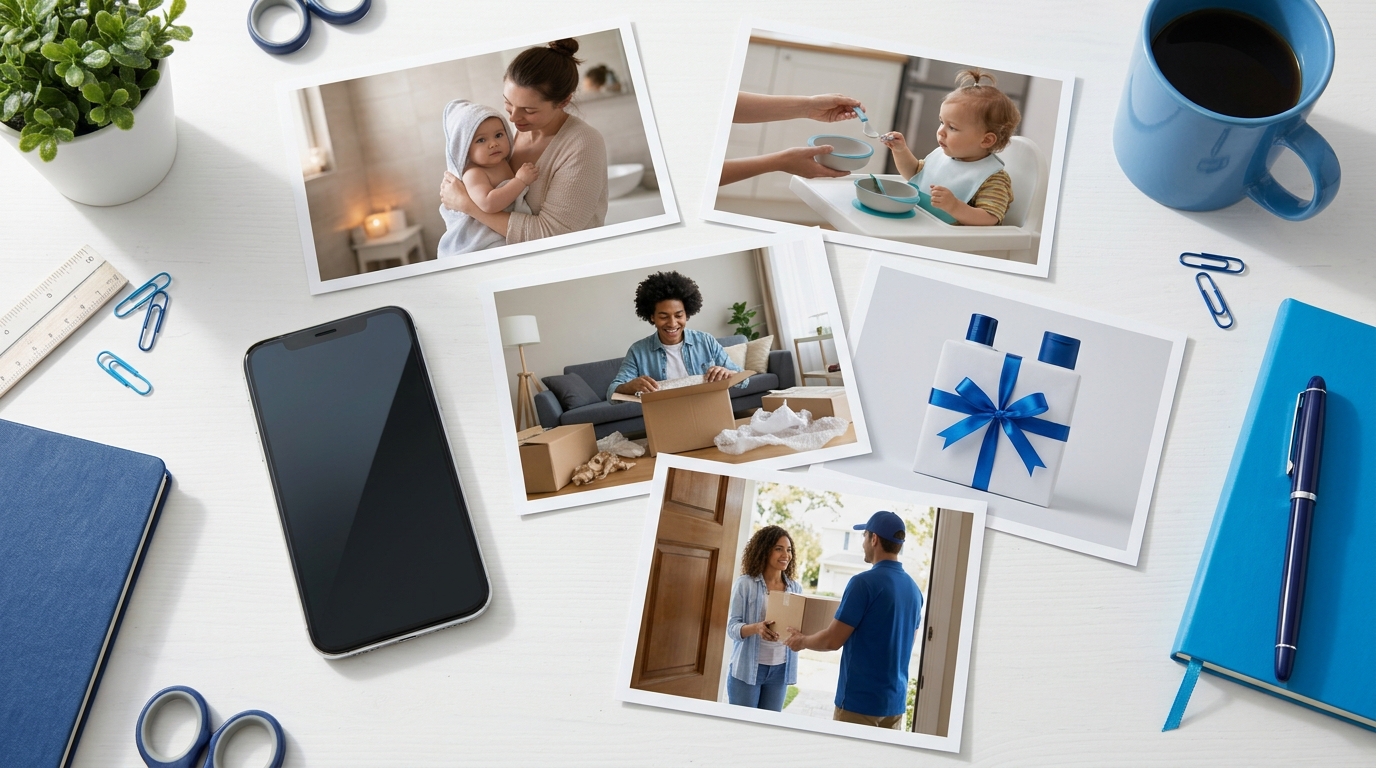
With Andromeda, the content of the ad (what it shows, what it says, who it speaks to) tells Meta who should see it. A video of a mother using a baby towel after bath time and a flat-lay of the same towel with a “Buy 2, save Rs500” banner are two different signals and can reach two different groups of people.
The flip side: ads that look and say almost the same thing are treated as one idea. Industry testers describe these groups as sharing a “creative entity”, competing for the same limited audience. Changing the background colour, the font or the first two words does not create a new ad in the eyes of the system.
What we see in Marksol’s own accounts
The update was announced in October, but the direction has been visible in our accounts all year. Two examples with real numbers from our clients’ Ads Manager:
MiniKo: one strong concept, then distinct concepts to scale
- MiniKo, a new Pakistani kids brand, made Rs1,739,259 in Meta-tracked sales in 58 days (16 September to 13 November 2026) on Rs175,824 of sales ad spend: 9.89x ROAS, 629 orders at Rs280 each.
- The first two test campaigns paid Rs586 to Rs610 per order. The third campaign, built on the winning creative and offer from those tests, cut cost per order by 59% and returned 11x. It carried 68% of sales spend.
- A combo offer was a genuinely different concept, not a copy. It brought the highest order value of any campaign, Rs3,936, 42% above the account average.
- Pushing one ad past about Rs2,500 a day raised cost per order. Spreading budget across proven ads and a refined clone kept ROAS near 10x. This is “scale wide, not tall”, and it fits how Andromeda spreads delivery across concepts.
Read the full MiniKo case study.
Hair to Stay: broad delivery finds new buyers
After we rebuilt the Hair to Stay Shopify store and fixed tracking, Rs6,351 of Meta ads at Rs1,200 a day brought 10 orders worth Rs1,99,998: 31.5x ROAS. Nine of the ten orders came from women who had never followed the brand. The creative did the targeting. Read the Hair to Stay case study.
Who benefits from the Andromeda update
- Brands with clear, different creative ideas: problem and solution, product demo, customer proof, offer, and trust (COD, returns, delivery time).
- Small budgets with strong concepts: a Rs1,200 a day account can now compete if its ad is the best match for a specific person.
- Brands that produce creative every month, especially UGC and reels made by real people.
- Stores with clean tracking, so the system learns from real purchases, not clicks.
Where advertisers will lose money
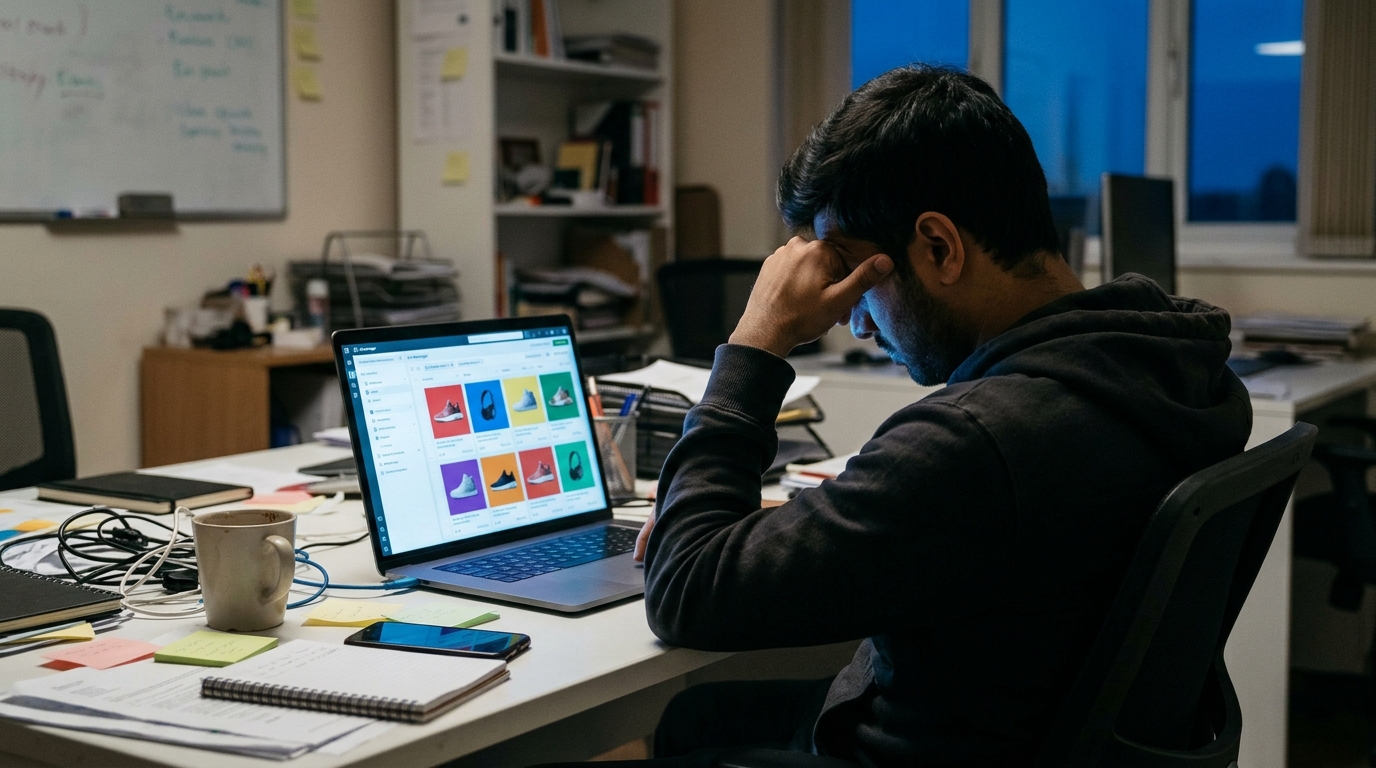
These are the mistakes we expect to cost Pakistani brands the most over the next few months:
- Ten variations of one ad. Same model, same angle, five colours. The system groups them, and you pay to “test” one idea ten times.
- Stacking interests to find the audience. Narrow interest lists fight the system. The creative should define the audience.
- Running one hero ad for months. When one concept takes most of the spend for weeks and results slide, the account has no next idea ready.
- Judging new ads in two days. New concepts need a fair budget and about a week before you kill them.
- Blaming the update for every bad week. Check offer, price, landing page, stock, tracking and season first.
- Broken tracking. Missing purchase events or fake COD orders teach the system to find the wrong buyers.
- Weak first frame. If the first second and first line do not show what the ad is about, the system and the viewer both skip it.
How agencies and media buyers can lose their clients’ money
This part matters if you hire an agency or a freelancer. With a 14% rise in average ad prices, an outdated setup gets expensive fast:
- Reporting “creative testing” that is not testing. If the new ads are colour swaps of old ones, the client pays for production and spend with no new learning.
- Selling targeting as the main skill. In 2026 the main skill is concepts, offers and tracking. Audience tricks alone will not hold ROAS.
- Not fixing the store. Better delivery sends more qualified people to the site. A slow page, unclear delivery charges or no COD trust signals wastes every one of those clicks.
- No monthly creative plan. Ads fatigue. Without new concepts in the pipeline, cost per order rises and the client blames the platform.
- Reporting likes and reach. Clients should see orders, cost per order and ROAS from Ads Manager every week.
The Marksol Andromeda checklist for Pakistani brands

- Count concepts, not ads. Write one sentence for each live ad. If two sentences say the same thing, it is one concept.
- Launch 3 to 5 genuinely different concepts a month: problem and solution, demo, customer proof or UGC, offer or combo, and trust (COD, easy returns, delivery time).
- Show the idea in the first frame and first line, in the language your buyer actually uses.
- Keep campaigns simple: one sales campaign per goal, broad audiences, budget spread across proven concepts.
- Use combos and bundles as separate concepts to raise order value.
- Fix tracking and COD first: pixel and purchase events on every order, and WhatsApp confirmation to cut fake orders.
- Review by concept every week. If one concept takes 70% or more of spend for weeks, test something new before it fatigues.
- Give new concepts about a week and a fair budget before judging them.
Questions to ask your Meta ads agency this month
- How many different concepts are live in my account, and what is each one about?
- Which concept is getting most of the spend, and what is the next one in line?
- Is my pixel tracking every purchase with its value? How do you know?
- What is my cost per order and ROAS this week, straight from Ads Manager?
- What did we learn from last month’s new ads?
If your agency cannot answer these clearly, book a free audit with Marksol or see our Meta ads agency in Lahore service. You can also read our guide to Meta ads budgets in Pakistan.
FAQ
What is the Meta Andromeda update?
It is Meta’s upgraded ad retrieval system, announced on 28 October 2026. It scores every eligible ad for each person at over one billion ads per second and chooses the shortlist that later ranking models evaluate.
Do I need to change any setting in Ads Manager?
No. There is no new setting or report. The change happens inside delivery, so what you need to change is your creative, structure and tracking.
Is detailed targeting dead?
Targeting rules still work, but the creative now does most of the audience matching. For most Pakistani e-commerce brands, broad audiences with clearly different creative concepts work better than narrow interest stacks.
How many ads should I run?
Think in concepts, not ad count. Three to five genuinely different concepts are worth more than twenty variations of one idea.
Will my ads get cheaper?
Not automatically. Meta’s average price per ad rose 14% in Q3 2026. Ads that match the right people better can get cheaper results, while repetitive ads will usually cost more.
Sources
- Engineering at Meta: Meta Andromeda, next generation of ads retrieval (opens in a new tab), 28 October 2026.
- Meta Reports Third Quarter 2026 Results (opens in a new tab), October 2026.
- Jon Loomer: What is Meta Andromeda (opens in a new tab), on Meta’s 2024 launch figures.
- Marksol client data: MiniKo and Hair to Stay, Meta Ads Manager, 2026.
By Hasan Farid Joyia, Founder & CEO, Marksol. Marksol is a Meta ads and Shopify growth agency in Lahore working with brands since 2023.